When businesses decide to implement RFID solutions, one common question arises: Should you choose blank RFID cards or pre-printed RFID cards? At first glance, the difference may seem purely aesthetic. However, the choice goes far beyond appearance—it directly impacts cost, flexibility, branding, and operational efficiency. In this guide, we’ll break down the key differences between blank RFID cards and pre-printed cards, explore their ideal use cases, and help you determine which option is best for your business.
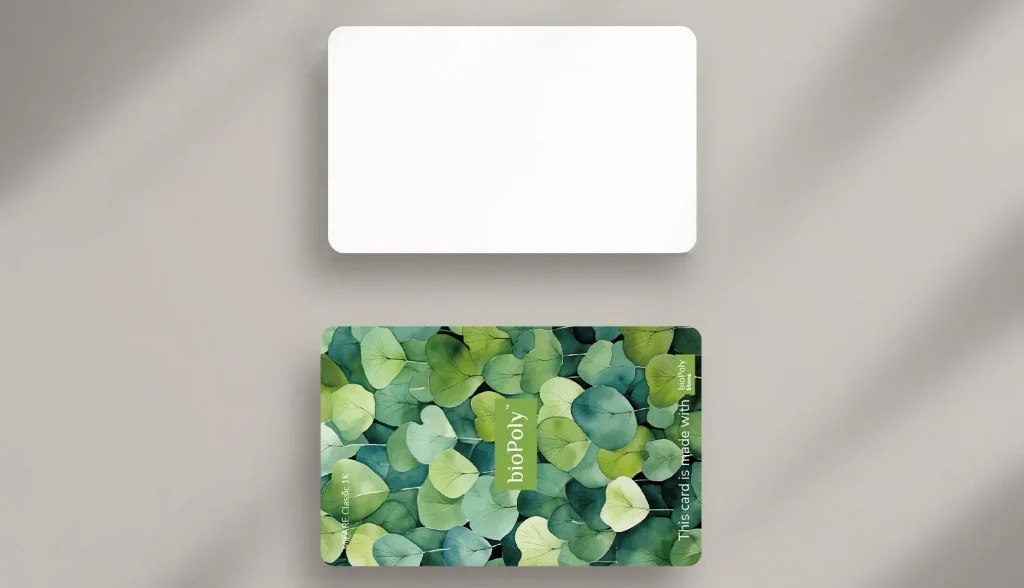
1. What Are Blank RFID Cards?
Blank RFID cards are cards that come without any pre-applied design, logo, or printed information. Typically made from white PVC, these cards provide a clean slate for businesses that want flexibility in how their cards are used and customized.

Key Features of Blank RFID Cards:
- Plain Surface: Usually a clean, unbranded canvas, often in white, providing a neutral base for any design.
- Ready for Encoding and Customization: The embedded RFID chip is functional but contains no specific data until programmed. The card’s surface is prepared for printing graphics, logos, text, and variable data.
2. What Are Pre-Printed RFID Cards?
Pre-printed RFID cards, also known as custom RFID cards, are produced with graphics, branding elements, or specific data already applied during manufacturing. These cards are delivered ready to use, often with high-quality printing and a polished, professional appearance.

Key Features of Pre-Printed RFID Cards:
- Ready-to-Use Appearance: These cards arrive with a professional, finished look, complete with high-quality graphics, company logos, and branding elements.
- Professional Branding: They offer a consistent and polished representation of a brand, crucial for customer-facing applications or situations where a strong corporate image is paramount.
- May Include Variable Data: Depending on the order, pre-printed cards can also come with certain variable data (e.g., unique identification numbers, barcodes, QR codes) already integrated into the design, streamlining the deployment process.
3. Key Differences Between Blank RFID Cards and Pre-Printed Cards
Choosing between blank RFID cards and pre-printed cards requires understanding how they differ across several important factors.
| Feature | Blank RFID Cards | Pre-Printed RFID Cards |
| Customization Flexibility | High flexibility; design and data can be applied post-purchase. Ideal for dynamic needs. | Fixed design; customization is limited to what was ordered from the manufacturer. |
| Cost Considerations | Lower upfront cost per card. Additional costs for in-house printing equipment or third-party printing services. | Higher upfront cost per card due to manufacturing, design, and printing processes. |
| Branding & Appearance | Requires additional printing steps to achieve professional branding. Appearance is initially generic. | Professional, ready-to-use appearance with consistent branding and high-quality graphics. |
4. When Should You Choose Blank RFID Cards?
Blank RFID cards are ideal for businesses that prioritize flexibility, cost control, and operational efficiency.

Choose Blank RFID Cards If:
- You print cards in-house using ID card printers
- Your card design or data changes frequently
- You need large quantities at a lower cost
- You want faster turnaround times
- You operate in dynamic environments (e.g., offices, campuses, factories)
For example, a company issuing employee badges regularly will benefit from blank cards, as new hires can be onboarded quickly without waiting for custom production.
5. When Are Pre-Printed RFID Cards a Better Choice?
Pre-printed RFID cards are better suited for businesses where branding and user experience are key priorities.

Choose Pre-Printed RFID Cards If:
- You want a strong, consistent brand image
- Cards are customer-facing
- You lack in-house printing equipment
- You prefer ready-to-use solutions
6. Choosing a Reliable RFID Card Supplier
Regardless of whether you opt for blank cards or pre-printed ones, selecting a reputable and reliable RFID card supplier is paramount. The quality of the cards and the embedded chip directly impacts the performance and longevity of your RFID system. Gialer is a reliable supplier, which has over 10 years of experience. We provide high-quality cards to meet your business needs.

7. Conclusion
In conclusion, the decision between blank RFID cards and pre-printed cards is a strategic one, with no single one-size-fits-all solution. Each option presents distinct advantages and disadvantages that must be weighed against a business’s unique operational context, budget constraints, and strategic objectives. The core of this decision lies in balancing the need for flexibility and cost-efficiency against the desire for strong branding and immediate convenience.